
Gardening for Pollinators
We often think about growing delicious food for ourselves and others. Sustainable Ballard has revived the Sprouts project and is growing starts/food on two adjacent properties in central Ballard to benefit food bank and giving gardens locally. Our 17th annual Edible Garden Tour will be June 27th and is a fantastic opportunity to see what our neighbors in Southeast Ballard are growing in their veggie/fruit gardens. All of this is wonderful… but what about our pollinators who make it all possible?
Several years ago after becoming concerned with the plight of honeybees Ballardites started keeping honeybees in mass! Turns out we could really use a more diverse and inclusive approach to supporting pollinators. Did you know there are over 600 species of Native bees in Washington State? Find out more about them by visiting WA Native Bee Society Keeping Mason Bees is one easy way to support more pollinators. Another simple thing we can do is to offer hydration stations for bees, wasps, birds, and others. Something as simple as turning off more of your lights at night or switching to motion sensor lights greatly improves the habitat for bats, moths, and other nocturnal pollinators. Even converting your parking stripe, or a portion of it, to pollinator attracting plants can transform our ecosystem.


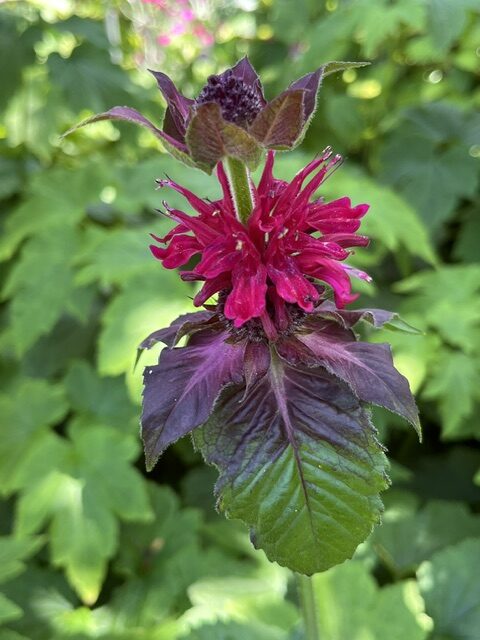
Hummingbirds are one of my most favorite creatures on the planet! Every day I see our resident hummer in my garden or drinking from the water feature(fountain) in the front yard. I exclusively plant things that the hummingbird, bees, or myself eat. So the garden is full of jasmine, rose, scarlet runner beans, plum, pear, raspberries, strawberries, blueberries, abelia(this one is fantastic because if you let it grow fully it will bloom late into the winter providing food for the hummingbirds during a time of scarcity), anemone, onions(the beneficial wasps love the blooms!), fuchsia, bleeding hearts, cornflower, miners lettuce, cat mint, bee balm, oregano, chives, and much much more.


Every little thing we do has an impact. For a creature as small as a pollinator serving and surviving in our urban setting it seems like we could all do a little bit more to support them. Please share your tips/photos/ideas/experiences HERE. We will share some of these out over the season. Together we can make Ballard a better place to live, grow, and thrive!